
Reclaiming strategic Marketing in a shortcut-driven world
This shift away from lazy digital habits is exactly where a well-run marketing blog regains its power. Blogs aren’t shortcuts – they require thought, strategy and consistency.
But they offer something most automated ads can’t: genuine value.
Written by The Melotti Content Media Team, checked by Christopher Melotti
Get practical, experience-backed insights into what it takes to run a high-performing marketing blog – and why a strong content strategy remains one of the most valuable tools in modern content marketing.
There’s something really satisfying about a great marketing blog. Not just because it looks good on your website – but because it works.
Blogging isn’t dead – it’s just evolved.
When done right, it’s still one of the most powerful tools in your content marketing toolkit.
But here’s the thing: Most blogs out there are doing the bare minimum. No strategy. No direction. No spark. They’re ticking boxes instead of building trust. Publishing content instead of delivering value.
That’s why this guide exists.
It brings together proven approaches, tested strategies and content marketing principles that help brands create blogs that deliver results – not just impressions.
A truly effective marketing blog doesn’t just sit on a website. It becomes a dynamic asset that:
- Educates the audience.
- Builds brand engagement.
- Supports the sales funnel.
Whether launching a new blog or revitalising an existing strategy, this comprehensive guide walks through how to plan, write, optimise and promote content that connects with the right audience – and drives meaningful outcomes.
Because marketing blogs shouldn’t be a guesswork. They should work for you, your audience and your business.
Let’s start!
Chapters
- What’s the difference?
- Why is there confusion about Marketing & Advertising?
- What Marketing should you do?
- Augmented Reality
- Health and Well Being
- Craft and Boutique Brands
- Evolving Artificial Intelligence
- How is it making us lazy?
- Your customer is changing!
- How do we become less lazy again?
- Don’t Get Overly Emotional
- Assess the Outcomes
- Address It
- Learn From the Experience
Here’s how you can use words to emotionally connect with customers
Let emotions lead the conversation
- Here’s what you need to know about customer behaviour
- What’s the traditional story arc everyone knows?
- So, why change the creative storytelling arc?
- What’s the new marketing story arc shape?
- How does this new creative story arc affect content?
- There are no coincidences with Marketing today!
- What is Retargeting?
- How to get the most out of retarget marketing
- Why this matters in creating Marketing content?
- Here are the 5 trends changing content marketing that you need to be aware of
- BONUS: 5 quick truths about content marketing that will never change
- How demand generation vs lead generation works is simple
- See how it’s a flow-on process?
- What is demand generation?
- What is lead generation?
- Demand Generation: making sales with proactive marketing
- Lead Generation: making sales with reactive marketing
- Balancing demand and lead generation for content that converts
How can Melotti Content Media help with your marketing blog?
Chapter 1: Marketing In The New Era: Engaging, Not Just Advertising

All Advertising is Marketing, but not all Marketing is Advertising. If your business sees them as the same, then now is the time to rethink and evolve your Marketing efforts.
Why?
Because it means that you’re opening up a box of crayons (‘marketing’), and trying to create a colourful masterpiece with only one colour (‘advertising‘), then wondering why the canvas is lacklustre and not attracting interested buyers.
What’s the difference?
Marketing is an all-encompassing, holistic practice today.It includes elements such as:
- organisational strategy
- customer research
- trend investigation
- public relations
- social media
- content marketing
- product design
- pricing techniques
- promotional campaign activities
- distribution management
- demographic analysis
- positioning
- competitor research
- innovation
- concept design,
- copywriting, and so on.
All of these elements need to be working together to build a successful organisation.
Why?
Simple: people today have a lot of choice, many distractions and a short attention span. Just like my friend said: everyone is becoming desensitised by advertising alone and are screening it out in preference for Marketing that engages them with value.
People today are desensitised by advertising alone and are screening it out in preference for high-quality Marketing that engages them by offering value.
Why is there confusion about Marketing & Advertising?
It’s understandable where all of this confusion has emerged about what Marketing actually is. Advertising is a highly overt form of marketing which everyone sees because it’s forced upon us all.
It’s called ‘above-the-line’ and is the pushing of a brand to a large target audience via television, print, radio and more recently, search engines (like Google) and social media (like Facebook and Instagram).
But your business and brand can’t rely on these alone today. The traditional mass advertising trend is starting to become ineffective, because consumers are so utterly bombarded now that they are learning to automatically filter out messages of no interest to them.
The practise of Marketing is very different these days, with organisations shifting away from just advertising, and towards what I call Empathetic Marketing: developing a strategy that focuses on catering to the human person.
What Marketing should you do?
The key to successful marketing is to value your customers.
Engage with them, offer them advice, respond, invest your time in them and customise your offering to them, so that their experience is ultimately unique and rewarding.
This is not simply recommended – it is essential as your target audience now demand it from you. If you don’t, they leave and go elsewhere.
There are too many competitors out there waiting for your organisation to ‘drop the ball’.
Marketing is no longer about forcing advertising down a customer's throat; it's about getting to know your customer and being interested in what they really want, their preferences and opening communication in order to build relationships.
Think carefully about them and how your product or service will benefit them and then actively engage with them to demonstrate your empathetic marketing.
Chapter 2: What Are the Key Trends That Surprised Marketers
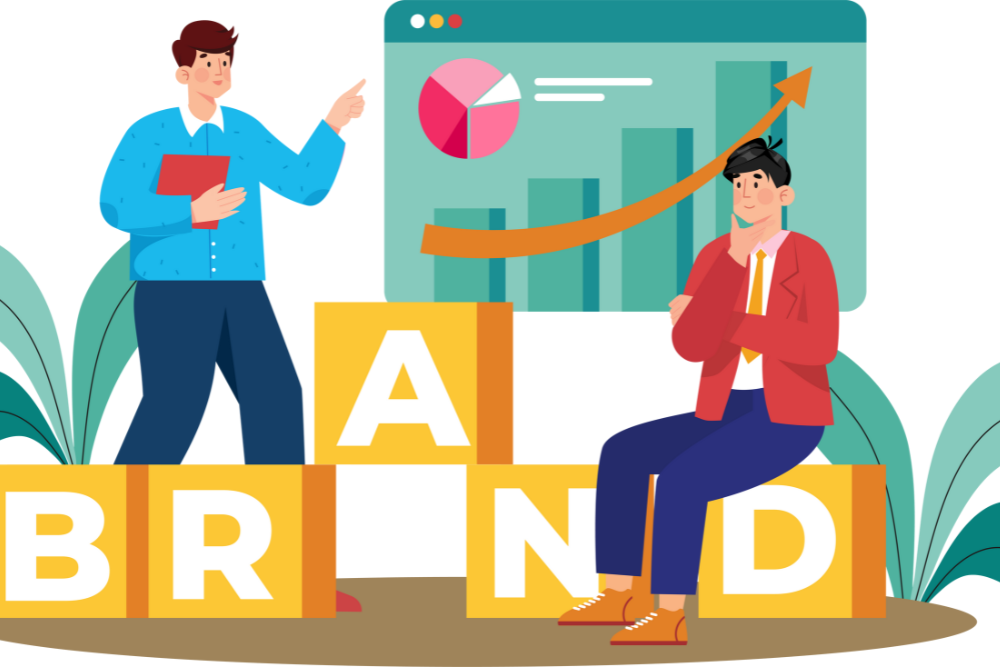
With the world evolving at such a rapid and unpredictable rate than ever before, and our empowered customers taking the lead, Marketers are often taken by surprise at some of the evolution in our fields!
Here are a few standout trends that have reshaped how brands connect, engage and earn attention:
1. Augmented Reality
The premise of Augmented Reality is placing a smart phone or device display between the real world and the user’s eyes, which can alter what that user is seeing by mixing reality with animation via a screen.
While AR has been around over the last couple of years, it was the unexpected extreme popularity that the Pokemon Go smartphone game found that really put it on the map.
What started as a bit of an experiment and nostalgic fun, ended up earning something along the lines of $4 million dollars a day, and had masses of people congregating in random fields at midnight… for nothing more than capturing pixels!
It was a huge surprise to Marketers globally, and definitely opened our minds to the absolutely huge potential this medium holds for organisations clever enough to take advantage..
2. Health and Well Being
The health trend is not really new, however the focus on blending products in unusual ways is.
For example, the rise of veganism and ethical eating has seen sustainable plant-based ‘meat-free meat’ and protein alternatives, such as Quorn, enter the market in full force. More interesting is that the consumers are really embracing these products, both as mince or fillets, as well as ready made meals!
The surprising factor for this trend for Marketers is the continued unpredictable nature of people's behaviour when it comes to healthy living, and how brands are responding in unique ways.
3. Craft and Boutique Brands
A nostalgic throwback, niche boutique brands in well-established industries are making a return to the spotlight.
While a lot of the above trends are focused on new technology, modernisation and automation, paradoxically, there has been a rising trend in things like home craft beer brews and smaller creative agencies taking the lead over larger alternatives.
It’s present in many different industries, from gym and fitness, to alcohol.
The active-wear brand, Lulumon, just released its first craft beer, called Courageous Blonde!
What perplexed Marketers the most about this is not only the power that nostalgia has over customer behaviour, but also the random way it manifests itself.
For example, one minute, the big mainstream brands which are heavily advertised and efficiently produced are the products of choice, and then suddenly, less popular alternatives that are small and made by hand become trendy.
4. Evolving Artificial Intelligence
AI and Algorithm Automation has exploded on the scene of every industry and is being used in such innovative ways, that it’s completely disrupting everything we know about all aspects of business practise!
While not perfect by any means yet, the part about AI that astonished Marketers was that it is beginning to offer a more favourable human experience through its ability to adapt and tailor messaging, than actual human customer service itself!
Recent studies and research into AI’s capabilities has demonstrated its remarkable ability to accurately profile a customer’s personality and then predict future behaviour based solely on their recent internet searches and social media ‘likes’, without asking them a single question.
The implication of this for Marketing would be completely (or at least significantly) removing the guesswork out of reaching an audience, which is incredible..
So, what do these trends mean for your marketing blog?
They reveal one important truth: modern audiences want more than content. They want connection, relevance and value – and that’s exactly where a smart, well-run marketing blog shines.
A marketing blog isn’t just a place to publish updates or keyword-stuffed articles.
When done right, it becomes a powerful bridge between brand and audience – helping businesses stay visible, build trust and adapt to changing behaviours.
Chapter 3: Is Digital Marketing Making Businesses Lazy?

In the pursuit of modern marketing results, many businesses have embraced digital tools – sometimes to a fault.
While digital platforms offer precision and scale, there’s a growing trend where brands rely too heavily on automation, search ad or cookie-cutter strategies at the expense of authentic connection and valuable content.
How is it making us lazy?
Because it has become too easy to implement and rely on.
It’s all too easy for brands to simply serve ads whenever someone searches the right keywords. With Search Engine Marketing (SEM), people are literally typing in what they want, and the digital systems help you deliver your message right to them.
Even with social media … a brand can find exactly who customers are, follow their behaviour pattern and then deliver the right content.
…what is actually happening out there is that businesses are relying on digital to serve up matching customers, and then playing the odds that something will hopefully stick.
The traditional business marketing approaches where you had to actually…
- understand your customer,
- earn their trust and
- offer something compelling – are getting lost.
With digital tools serving the right customer up on a platter, the formulaic, repetitive approach to marketing is becoming somewhat of the norm.
Your customer is changing!
People’s behaviours are changing.
Your customers are becoming highly educated and empowered. They’re becoming frustrated with the monotonous digital marketing being hammered at them.
We don’t have to imagine- just take off your ‘business hat’ and put on your regular person hat:
- We are tired of adverts interrupting our entertainment
- We are sick of waiting for the other shoe to drop
- We’re not willing to simply give our data away for free anymore
People are very savvy and are rebelling against the bombardment of digital marketing, which means that we need to be smarter.
As business professionals, we can’t just rely on the cookie-cutter practises that are becoming mainstream today. We can’t just be plugging in a few demographics, throwing up an advert and hoping someone clicks.
How do we become less lazy again?
We need to reconnect with our true passions again for business and the practise of marketing.
We need to see digital as one aspect of marketing, and that traditional strategic marketing practises are still essential today.
Marketing needs to reconnect with the comprehensive approach, such as the customer’s journey, proper segmentation and creating content that is fresh, unique and most importantly, relevant to our audience to offer value.
We need to stop relying solely on digital marketing to get us through with a few mouse clicks, and actually start re-engaging with people again.
Sure – it’s not as easy as just being hand-fed the easy way, but taking the initiative to be better in the way we conduct business that is proactive and innovative will yield much better results.
Reclaiming strategic Marketing in a shortcut-driven world
This shift away from lazy digital habits is exactly where a well-run marketing blog regains its power. Blogs aren’t shortcuts – they require thought, strategy and consistency.
But they offer something most automated ads can’t: genuine value.
By creating original, useful content tailored to what your audience actually cares about, a marketing blog can cut through the noise of generic digital tactics.
It encourages a return to thoughtful storytelling, audience understanding and trust-building – the very foundations of good marketing.
In a world where digital convenience can make brands forget what true engagement looks like, a strong content strategy becomes the anchor for authentic, long-term connection.
Chapter 4: What To Do If Your Marketing Goes Wrong
You spent weeks finding the right messaging, had the right people on your team, chosen the right images, video and colours. The product was ready, and this piece was set to be one of the best you’ve ever launched.
You hit the “go” button and wait – only to find the results don’t meet your expectations.
Down and down it goes, until you face the facts that this is not going to be a material that reaches critical acclaim by any means.
You’re not alone!
Small businesses and global brands have all been there.
Marketing isn’t a precise science – there are so many factors involved and, despite all our best efforts, sometimes things don’t pan out.
Here are some tips to try when this happens.
1. Don’t Get Overly Emotional
Yep, it’s hard. Frustrating even, not to mention embarrassing.
But I’ve found personally that if you rise to your emotions, it only leads to regret afterwards. You realise that your initial reactions just make it all worse. Instead, take a deep breath in, keep things professional and focus on the next steps.
2. Assess the Outcomes
What went wrong? Don’t just assume – find out.
Was it something completely unpredictable? Or was there a factor you overlooked? Regardless of which, dig deep to see what the overall results were and take the time to discover how this all came about.
You’ll only make the situation worse if you ignore it and move on.
3. Address It
Stakeholders will want to know what happened. Don’t hide or sweep it under the rug, as this looks like you’re avoiding responsibility and hoping that no one notices.
Don’t let the information vacuum become a PR disaster.
After you’ve researched the shortfalls from the previous step, present your findings to Management or your client and explain the details. It will be tough at first, but honesty really is the best policy here.
4. Learn From the Experience
As frustrating as it is, a marketing shortfall presents you with a unique opportunity to evaluate your assumptions and approach so that you can grow. People learn a lot through mistakes, and this is one of those times.
If your efforts failed or didn’t go to plan, take this as a learning experience.
This means really considering things and deciding how this experience will change the way you think going forward. It’s only a true failure if you ignore this.
5. Seek Help
Don’t be afraid to reach out for help.
There are so many qualified and experienced Marketing professionals out there that can provide assistance. It’s not about ego or weakness – it’s about seeking some extra guidance and support so that the next marketing campaign can be a success!
Why these matters in creating your marketing blogs?
These steps are helpful because marketing doesn’t always land the way we expect – even when everything seems right on paper.
Whether you’re managing a campaign or publishing blog content, not every piece will be a hit. What matters is how you respond. By taking a clear-headed, reflective approach, you can turn a disappointing result into a valuable reset – one that sharpens your future strategy and helps you create more effective work next time.
Chapter 5: 7 Ways to Write Marketing Copy That's More Than Just Words

People relate to brands that create an emotional connection through their messaging and connect with those which align with their beliefs – this is what drives them to purchase the products. This is also why using emotional triggers in your marketing copy is a strategic sales technique.
Here’s how you can use words to emotionally connect with customers
1.Harness the power of storytelling
Storytelling is a powerful way to captivate audiences. It involves main characters (the audience), conflict and villains (their problems), a hero (the brand) and a happy ending.
Copywriters can tell stories that are charged with emotions to engage audiences and show them that a brand is here to provide relevant solutions.
2. Use positive and warm emotions as devices.
Problems are universal. Everyone has difficulties that we desire to solve deep inside.
So, using pleasant and warm feelings in copywriting, such as joy, nostalgia, inspiration or humour, tells your readers that everything will be fine.
As a result, audiences can trust that you are looking out for their best interests and that you, as a marketer, are dealing with the same issues they are. You become a humanistic and relevant brand that aspires to create a happy emotion to alleviate their challenges.
3. Write words that directly talk to your audiences.
Before sending a message, you must know who the recipient is, or rather, get to know them.
Who makes up your customer segment? What are their pain points? What do they usually purchase? Age? Personality? Everyone has a unique set of different needs that affect the way they make decisions.
Now, you’re targeting these needs and showcasing the benefits and value they can obtain from your business by sending powerful messaging that address their concerns.
4. Don’t be afraid to use negative emotions, too.
There’s a reason why we listen to melancholic songs when we already feel down. Negative emotions are easier to bear when it’s shared, as you know you’re not alone.
Sadness, fear, panic and other natural emotions are nothing to be ashamed of. Marketers can actually add value to these emotions by using them to encourage audiences to act.
For instance, using fear of loss or failure can spur people to act to solve their problems or be proactive about a need.
5. Create a sense of urgency.
Strike a powerful emotion in your audiences’ hearts by urging them to act fast by triggering a desire to belong or FOMO – the fear of missing out.
Words like hurry while supplies last, until X date only or avoid getting into trouble create a sense of urgency to take the next step for their benefit.
6. Use words to help audiences imagine.
Well-written emotional copy helps people build imagery in a way that instant visuals and audio just don’t provide. That’s because we use our brains to manipulate and manifest a unique interpretation when it’s described by words.
This personalisation makes it connect with us as individuals, unlike video where the images are given to us.
We use our brains to manipulate and manifest a unique interpretation of a message when it’s described by words. This personalised interpretation makes it connect with us as individuals.
7. Be authentic.
People are not one-dimensional beings. Even with emotions, we are still also rational beings who think and make sound decisions. Especially now, people are savvier and more discerning about what products or services they use, and they can tell when a brand is just being salesy or fake.
So, when sending messages, always remember that you can never go wrong with authentic messaging that builds reputation, deep connections and loyalty.
Let emotions lead the conversation
At the heart of every great marketing blog is a message that feels personal and genuine.
By blending positive emotions that inspire, negative emotions that motivate, and stories that audiences see themselves in, you’re not just writing – you’re building trust.
The right words can spark action, deepen loyalty and make readers feel like they’re understood. When your content reflects real human experiences, both the struggles and the triumphs – it stops being just information and becomes a meaningful connection.
That’s how emotional copy transforms casual readers into loyal advocates for your brand.
Chapter 6: 11 Key Understandings of Consumer Psychology and Marketing
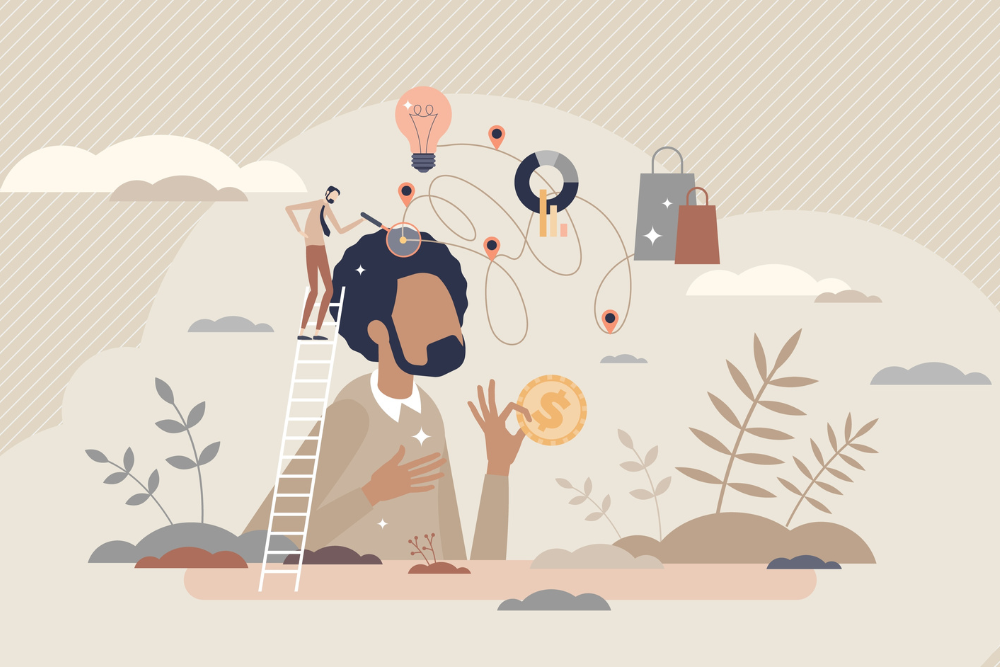
A successful marketing blog isn’t just about what you write – it’s about how well you understand the people reading it.
Every headline, image and call-to-action works best when it’s built on insights into what motivates your audience, what captures their attention and what drives them to take action.
This chapter breaks down 11 essential understandings that will help transform your blog from simply informative to powerfully persuasive.
Here's what you need to know about customer behaviour:
1. Real decisions are emotion based
Consumers base most, if not all of their instinctual decisions on their emotional state, and far less on logical checklists (if at all). This is why branding and positioning can be so effective: if you can appeal to a consumer’s emotional needs, it becomes highly attractive to them.
2. Consumers will substantiate their emotional decision using facts afterwards
Building upon the above point, after a consumer receives a favourable emotional bond with a product, and thus desires it, the logical side finally kicks in.
A consumer will automatically grow wary about this emotional ‘pull’ and cannot validate a purchase simply based on this feeling, so they will search for solid facts that will help them justify their need or want.
3. Consumers crave value
Not to be confused exclusively with a monetary figure, value is subjective and basically represents the consumer’s perceived benefit, minus all costs involved. This incorporates time, inconvenience, money, cost of substitutes and so forth.
A successful product is one where the consumer is shown enough information for them to evaluate that the benefits of their purchase is at least equal, if not far outweighed by the costs.
4. Humans are ‘Humanistic’
Basically, human thought processes are strongest when relating to social interaction with other people. Therefore, marketing messages that are relatable to the target audience by, for example, using names, real situations or quotes, will be more effective and meaningful.
5. Ultimate free will
Whilst marketing campaigns can be extremely effective and compelling, it’s important to appreciate that consumers can never be forced to behave in a specific way: sometimes, even when all the boxes are ticked, a consumer may still behave unexpectedly.
Therefore, the most basic of marketing principles holds true here: make your product offering as appealing and valuable to your target audience as possible.
6. People enjoy purchasing
Consumers enjoy discovering new products and technologies, and get a thrill from curiosity and ownership. This is because they look for products that appeal to them on an emotional level, and therefore, a level of satisfaction is achieved when a purchase is made (i.e. the term ‘retail therapy!’).
A successful product should add to this feeling of ecstasy, and not sour the experience through inconvenience or creating buyer’s remorse.
7. People are sceptical
Years of consumerism has ingrained a natural suspicion in the average person these days- and rightly so.
Therefore, marketing efforts need to focus more on assisting and providing the right information, rather than persuading and pushing people into a purchase. A good marketing campaign aims to reassure the target market, not repulse or fear them.
8. Insatiable emotional desires
Humans constantly manifest emotional needs (such as riches, self-satisfaction, love and so on) because they are always naturally dissatisfied with their current state. Related to a few of the earlier points, products that get in touch with their emotional target audience and appeal to these cravings will attract their attention.
9. Consumers Love Convenience
In today’s electronic age where everything is available online and extremely fast, consumers will gravitate to the easiest method of acquisition- it ties in with the value proposition and how much energy it takes to obtain the good, versus the benefit. So, if a product is convenient, consumers view the cost as lower and therefore the value as higher.
On the other hand, if it is an exclusive product available in limited locations, then the appeal of exclusivity and individuality must outweigh the need for convenience to the target audience.
10. Tangible Sampling
People appreciate samples and a chance to examine the product, risk-free, before purchasing. Some consumers will avoid online shopping for specific items that they wish to see or feel for this very reason- their need for convenience is less than their need to be in contact with the physical product.
Samples and free trials are a way to create a positive, risk-free experience for the consumer and encourage their positive purchasing behaviour.
11. Peer Pressures
Peer pressure and ‘group think’ effects are prominent with people within a society; especially one that is so connected with social media. We all take our cues from each other in certain aspects and are very critical in others.
Humans will take into account a lot of external judgement when making purchasing decisions. A lot of our decisions can reflect how we think others will perceive us. This is why testimonials and messaging that focus on crowd impressions are effective.
Turning psychology into a competitive advantage
Understanding these psychological drivers isn’t just about selling more – it’s about building a marketing blog that speaks directly to the unspoken needs, desires and concerns of your audience.
By weaving these principles into your posts, you move beyond simply sharing information and instead create an experience that feels relevant, trustworthy and irresistible to your readers.
This is where a marketing blog stops being just a source of content and starts becoming a powerful influence in shaping decisions – and that’s exactly how you get results.
Chapter 7: How Storytelling In Marketing Has Changed
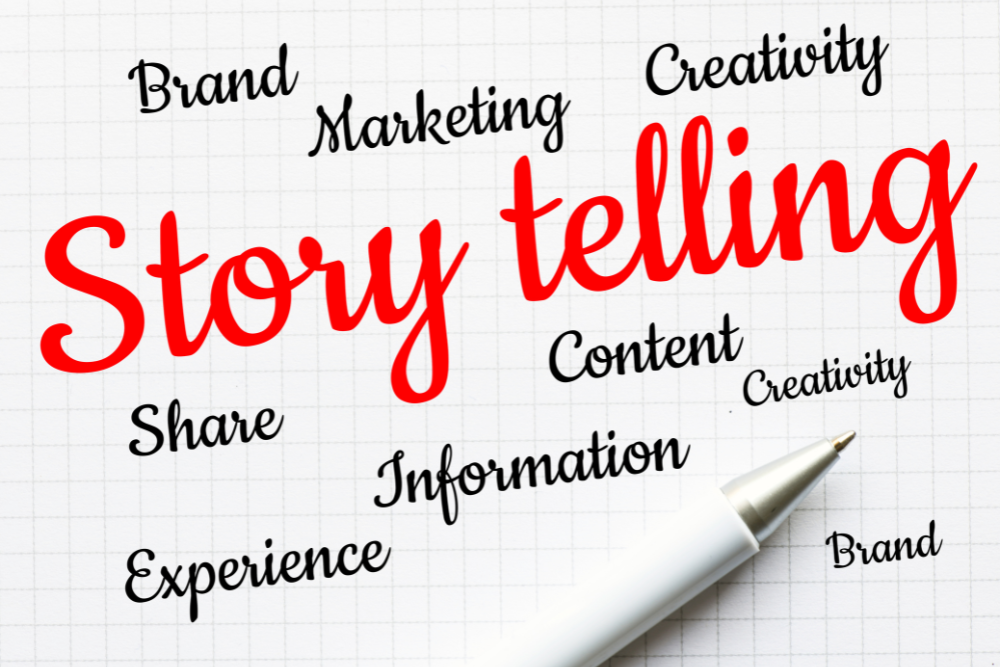
Brands love to tell stories.
Why? Because people love hearing them (if they’re told well, that is). Stories are ingrained in the human psyche because they help deliver a core message in a flow the keeps people engaged throughout every stage.
However, while stories are as old as history, the typical story arc has changed – and your audience has changed it.
It’s time to adapt or get ignored.
What’s the traditional story arc everyone knows?
You know the traditional story structure.
It’s in every novel and movie. This narrative arc consists of a bell-shaped curve that offers a comfortable sequence of sequential events, designed to keep people entertained throughout.
Typically, there is an initial introduction where the scene is set. Then, an incident occurs, there is rising action, followed by a climax. Success (or failure) ensues, the action falls and there is a resolution.
Marketing and adverts typically followed the same sequence.
A lead in which builds to a climax, then a product or service solution, completed with a brand and call to action about what to do next. Think about a typical advert or marketing piece that you’ve seen over the last few years.
So, why change the creative storytelling arc?
Our attention spans have changed; and by that, I mean significantly shortened. We’re also far more selective too.
In truth, it’s not just humans that have changed their preferences.
New platforms and mediums like TikTok, YouTube and Instagram have also been a catalyst. These encourage a different way of consuming content because of their very nature. They provide quick “shots” of entertainment and people have generally grown accustomed to this method of instant gratification. When a story takes too long to kick in, it’s too easy to just swipe onward.
People have grown accustomed to content that offers instant gratification. Hence why story arcs have changed.
What’s the new marketing story arc shape?
You can probably guess it, but this is what it typically looks like now.
- Straight in –there’s no time for a slow setup. You dive right into a relatable situation that hooks people instantly. This involves attracting attention fast with a relevant impact.
- Hit the climax fast –move straight onto the reveal now. The climax involves incorporating the brand naturally in the situation too, rather than the traditional way where it was a branded screen. This way, your brand is part of their lives – not a specific call out.
These first two steps quickly show people why they should care and watch on. If you’ve helped them, you can now explain the ‘what’ of your message next.
- Sustain engagement –here, the energy drops to give people more balance. If you’ve hooked their attention well in the first two parts, they will typically stick around for more information, more of the story and something of interest.
This is very typical of today’s audience: you need to earn their attention. But once they’ve seen the value, they’ll give you their time because you’ve established your value.
Give them the “how” from here.
- Call To Action – Now, you can provide more direction about what they should do next. Provide guidance and blend this with benefits to seal the deal.
- Additional information – Interestingly, even though people’s attention spans have decreased, once you’ve ‘broken through’ the initial scepticism and judgement, they will stick around so long as you’re offering value. This is where people who last can find bonus content.
How does this new creative story arc affect content?
While it may sound like this is just for videos or adverts, it changes the game for all content that tells a story- from audio podcasts, to written content, landing pages and even case studies.
You need to cut straight to the relevant proof so you “tick that box” for them and earn your audience’s precious attention. Otherwise, they’ll move straight on.
Think about all of your content – do you need to shift things up a bit now?
Chapter 8: Retargeting Marketing: A New Level of Personalised Content
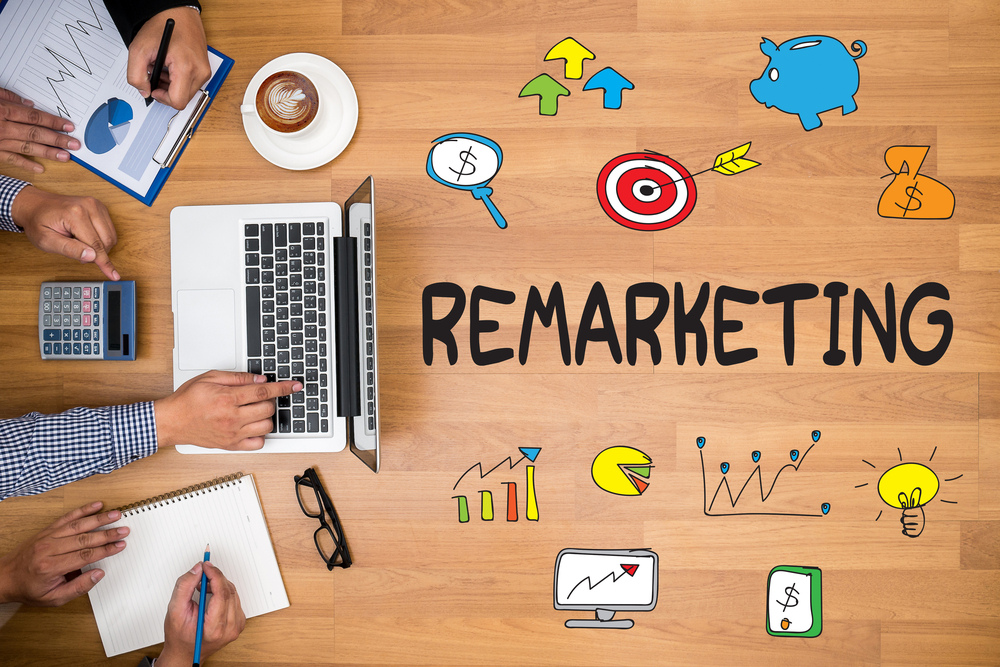
A great marketing blog doesn’t just attract readers, it keeps them engaged long after they’ve left your page. Retarget marketing takes this connection further by delivering personalised content to people who have already shown interest in your brand.
This approach ensures your content stays top-of-mind, turning casual visitors into loyal followers and, ultimately, customers.
There are no coincidences with Marketing today!
It’s not a coincidence anymore that, when browsing for that new sports watch, suddenly you’re seeing ads for FitBit everywhere.It’s not by chance that your research into real estate has triggered banner ads popping up all over your Facebook feed telling you to click to see the Commonwealth Bank’s new mortgage package.
It’s not by chance you’re seeing ads for ASOS beckoning you back after shopping on their online store after abandoning your cart before making a purchase.
These are all the result of a smart form of digital marketing called Retargeting.
What is Retargeting?
Retargeting (also sometimes referred to as retarget marketing or remarketing) is responsible for the phenomena mentioned above.Basically, it facilitates re-engagement from a customer after they’ve left your brand’s website.
Retargeting gathers a specific person’s buying preferences, and then shows them targeted online adverts as they surf the net, to keep those relevant brands in front of them.
When people visit your website, chances are they won't make a decision straight away. If you don't reach out again, your brand will quickly fall off their radar and you've missed a potential lead.
How to get the most out of retarget marketing
Effectively using Retargeting requires four elements:
- segmentation
- creative design
- experimentation
- measurement
1. Segmentation
Know thy customer!Segmentation is about determining your ideal audience. This way, you can ensure the correct messages are delivered to the right consumer.
For example, a loyal customer will require a different type of message to one who is still unsure about purchasing.
Correct segmentation ensures that a converted customer receives loyalty campaigns and cross selling messages, whereas a non-converted customer receives discounts and reassuring messages to bring them back to the site.
2. Creative design
Creative design on retargeting adverts work best when they’re kept simple and bold, display the brand prominently, have a direct call to action and present a personalised message.
After all, if you’re going to all the trouble of individualising your Marketing massaging, don’t waste the opportunity to connect directly with your customer.
3. Experimentation
Experiment with different designs, frequencies, locations and landing pages to discover what gets the best result.
As it is a specifically targeted campaign, it’s often difficult to determine what resonates best with an individual segment.
4. Measurement
Effective measurement is always key when determining the success of each marketing endeavour. Retargeting can meet customer retention, brand awareness and sales objectives, and the most commonly used statistics to track progress are “Cost Per Action” and “Cost Per Clicks”.
This was just an introduction into Retargeting. It’s a very vast area and worth exploring in more detail before setting out on your own.
Why this matters in creating Marketing content?
Retarget marketing transforms your content from a one-time interaction into an ongoing conversation. By strategically re-engaging people who have already shown interest, you’re not shouting into the void – you’re speaking directly to warm prospects who are far more likely to convert.
This means every blog post, video or ad you create can have a second (and third) life, delivering value long after the initial click.
In an age where attention is fleeting, retargeting ensures your content remains relevant, visible and personalised – turning curiosity into commitment.
Chapter 9: Marketing: Getting Your Sales Team Involved

Are your Marketing efforts working alongside your sales team?
They should be!
As the most outward facing group speaking directly to your customers, it’s important to never underestimate the potential that your sales function has in directing your marketing campaigns, and vise-versa.
Yes, good ‘old’ marketing
Yes, we all know that name and, yes, we know how daggy it sounds – yet, that doesn’t make the point of it any less true.
When your marketing and sales teams come together, you will truly see great results. Even if you’re a solo entrepreneur, you need your marketing efforts to complement your sales efforts- in fact, a sole trader should know this truth better than anyone else.
Sure, sales think they rule the place and marketing believe we know everything – so we don’t always see eye-to-eye.
However, it’s in these differences where a blending can have phenomenal power.
Marketing and Sales balance each other's extremes and boost each other's results.
How do you bring Marketing and Sales together?
- Create a draft outline of your marketing campaign
- Call a short meeting in a convenient time, like a Monday morning
- Explain the campaign, it’s importance and how it will work
- Show them why the campaign will help them achieve their sales targets
- Get them involved by asking for their opinion, ideas and feedback
- Work out which suggestions are relevant and implement them to improve the campaign
- Show them how you used their feedback in the content you create
- Provide them with the content so they can use it in their sales efforts
- Track the results and share it with them
- Celebrate how working together can reap rewards for everyone involved.
Content marketing and copywriting is already being predicted to grow even more next year, as Marketing strategy moves away from direct advertising, and into building genuine relationships with customers through innovative content.
With this in mind, will your Marketing strategy be empowered by the insight of your sales team? Or will it be left without such an important input?
If you want your Marketing campaigns to succeed, it’s time to collaborate.
Chapter 10: Should Marketing Be Focused on Demand Generation or Lead Generation?

In the world of marketing content, knowing your audience is only half the battle – the other half is knowing your goal.
Are you trying to spark interest and awareness (demand generation), or are you aiming to capture contact details and move prospects closer to a sale (lead generation)?
The balance between these two approaches shapes the type of content you create, the tone you use and even where you publish it.
Understanding the difference ensures your marketing blog isn’t just attracting traffic, but guiding readers along a clear path toward becoming customers.
How demand generation vs lead generation works is simple
Demand for your product or service starts with:
- awareness of a relevant need by your customer
- education about a possible solution
- your customer identifying that solution as applicable to your needs
- positioning your brand as the solution option
- interest is piqued
Thus, demand is generated! Ta Da!
After you’ve built this demand-curious audience, it’s time to generate leads, which are those who actually want to take action and are part of your ideal customers.
To generate leads, you can:
- Use marketing to channel their demand into learning
- Provide multiple touchpoints for them to interact with your brand
- Offer evidence to reassure them
- Separate general demand from qualified target customers
- Inspire action into the sales funnel
- Nurture their interest
See how it’s a flow-on process?
More demand leads to more leads. The more demand you generate, the higher the percentage of high-quality leads you’ll have and the more sales you make.
If you just start with lead generation, then you’re always in reactive mode, hoping there’s enough demand. Whereas if you are proactive with the demand generation stage, then it will amplify your lead generation marketing.
How do you create demand for your brand rather than hunt for existing leads?
Using demand generation marketing, you can access and nurture more qualified leads for your business and, in turn, convert more sales and increase your revenue.
Ok, let’s start by defining the actual differences between demand generation marketing versus lead generation marketing.
What is demand generation?
Demand generation is how your business reaches new markets and creates enthusiasm for your products, services and brand. Demand generation is about increasing brand awareness, educating audiences and fostering initial engagement.
The best way to implement demand generation and draw more interest is by creating marketing content, such as:
- blog copywriting
- filming videos, recording podcast
- newsletter and emails
- FAQ pages
- inbound marketing strategies and
- other forms of content marketing.
Essentially, you’re establishing your brand as a key opinion leader that deserves to be noticed across all different channels.
What is lead generation?
Lead generation involves taking this demand-induced audience who are interested, and advancing their engagement by nurturing their curiosity, with the goal of encouraging them to take action by leaving contact details and becoming a paying customer.
This involves convincing them that what you offer will solve any relevant needs they have, so they have no choice but to buy!
The best way to implement lead generation is by building on the demand generation content to create more actionable opportunities such as:
- linking to landing pages with Calls To Action
- offering a packages website page
- holding conferences and events
- creating sales collateral
- building an effective website with conversionpoints
- writing a corporate capability document
Demand Generation: making sales with proactive marketing
Demand generation is obviously about sparking more demand for your services.
This involves:
- becoming a respected thought leader in your niche
- offering applicable value to your audience
- establishing your brand’s position
- using marketing content to ensure you’re always top of mind
- being present across a range of different touchpoints
This means that you’re essentially as present as you can be. Everywhere.
If your brand is super proactive, it means you don’t have to rely so much on expensive advertising to get people to hopefully show interest in what you do at a transactional level.
Demand creation is incredibly cost-effective, gives you greater control of your marketing and provides a strong competitive advantage.
Lead Generation: making sales with reactive marketing
To generate leads, you need to have demand first.
If there’s not much demand, then your lead generation marketing is being wasted as people either don’t care or the leads are poor, meaning they won’t convert.
Don’t get me wrong – you need to conduct lead generation marketing, like Google, Facebook and LinkedIn advertising. But while they promise a huge exposure, hardly anyone will click as the prework hasn’t been done first.
If you have successfully created a lot of demand, then lead generation becomes much simpler. Now, you just have to set up a series of conversion channels for people to take the next step. For instance, allow them to book a free demo, buy your product or secure their first consult.
Balancing demand and lead generation for content that converts
Balancing demand generation and lead generation is the backbone of impactful marketing content.
Demand generation fuels curiosity, builds brand awareness, and positions YOU as a trusted voice in your market. Lead generation then turns that momentum into tangible action by guiding prospects toward becoming customers.
When your content is crafted with both in mind, it moves people through the entire customer journey – from sparking initial interest to inspiring commitment.
Without demand, your lead generation efforts feel like shouting into the void. Without lead generation, your demand efforts risk fading into forgotten interest.
Great marketing content bridges the two, ensuring every blog, video, email or social post plays its part in a bigger, connected narrative that not only attracts audiences but moves them to act.
This is where marketing shifts from being a series of campaigns to becoming a long-term growth engine.
Conclusion: Turning Your Marketing Blog Into a Lasting Growth Engine

So, here we are!
You’ve explored strategies, tactics and insights that transform an ordinary blog into a results-driven powerhouse.
From defining a clear purpose to harnessing humour, leveraging consumer psychology, embracing personalisation and striking the right balance between demand and lead generation – each chapter in this guide has given you practical, proven ways to make your marketing blog work for you.
But here’s the thing: knowing is nothing without doing.
The magic happens when you take these ideas, shape them around your audience and apply them with consistency.
A marketing content is an evolving platform that connects, nurtures and converts. It’s where your expertise comes to life, your brand voice gains depth, and your audience finds answers they can trust.
When every article is written with intent, backed by strategy, and fuelled by genuine value, your blog becomes more than a traffic driver. It becomes a growth engine.
Ask yourself:
- The next story you’ll tell?
- The next insight you’ll share?
- The next problem you’ll help solve?
Your audience is out there, searching, scrolling, comparing. Will they find you – and stay?
The opportunity is right in front of you.
- Build with purpose.
- Write with energy.
- Publish with consistency.
And watch your marketing blog not just attract readers… but create loyal customers who keep coming back for more.
And here’s the best part: you don’t have to do it alone.
We’re here to help you plan, create and optimise a marketing blog that not only gets clicks but drives real results. From strategy to storytelling, we make sure every post works for you and your business.
The next big result? It’s just one post away – and we’ll help you get there.
How can Melotti Content Media help with your content marketing?
If you want your brand to be seen, remembered and trusted, you need more than just words on a page. You need a marketing blog fuelled by strategy, creativity and a deep understanding of your audience.
But let’s be honest – that’s easier said than done. You’re time-poor and spread thin, and content marketing may not be your expertise.
As your Sydney Copywriters, Message Marketers and Brand Strategists, we can strategise, produce and execute your content marketing plan on your behalf, while you focus on what matters to you – growing your Australian business.
Let’s start earning the results your business deserves!
To speak to your trusted message marketers and Australian copywriters, contact our team at Melotti Content Media today:
The Melotti Content Media Team
Melotti Content Media | Copywriting & Message Marketing Bureau